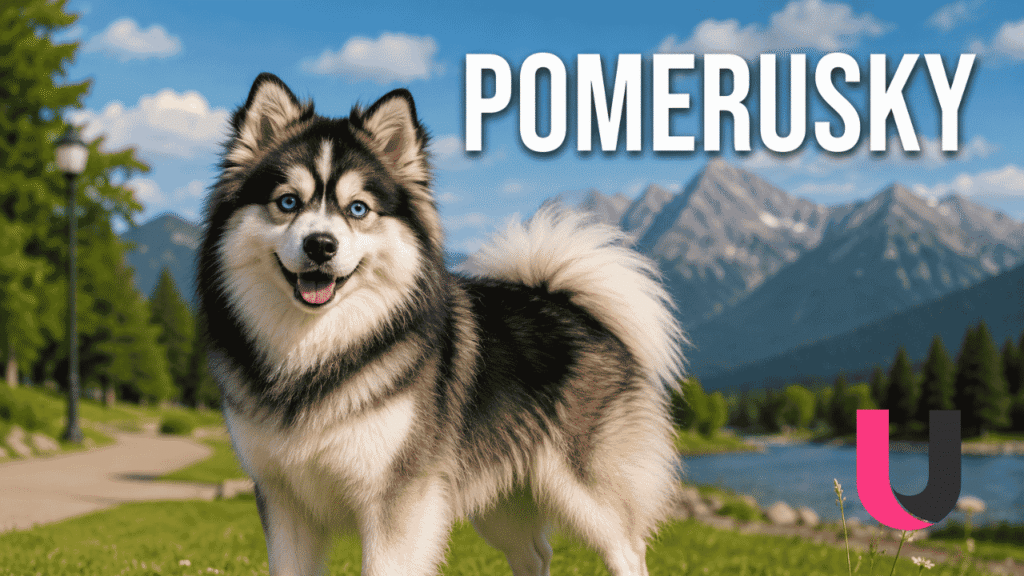

The pomerusky has become one of the most talked-about designer dogs among pet lovers who want a companion that combines the charming appearance of a Pomeranian with the striking features of a Siberian Husky. Known for its fluffy coat, expressive eyes, and energetic personality, the pomerusky attracts attention wherever it goes. Many people are drawn to this hybrid breed because it often resembles a smaller version of a Husky while maintaining a manageable size for modern households. As interest in designer dogs continues to grow, more families are researching whether a pomerusky is the right fit for their lifestyle.
Understanding the Origins of the pomerusky
The pomerusky is a hybrid dog created by crossing a Pomeranian with a Siberian Husky. This mix was developed to combine the best traits of both breeds into a smaller dog with a wolf-like appearance. The breed gained popularity through social media, where photos of adorable puppies quickly attracted widespread attention. Over time, the pomerusky became a sought-after companion for dog lovers looking for a unique pet.
Because of the significant size difference between the parent breeds, breeding a pomerusky often requires specialized methods. Responsible breeders focus on maintaining healthy bloodlines and producing puppies with stable temperaments. Since hybrid dogs can inherit traits from either parent, each pomerusky may display slightly different characteristics. This unpredictability is part of what makes the breed interesting to many owners.
Physical Appearance and Distinct Features
One of the most appealing qualities of the pomerusky is its eye-catching appearance. Many dogs inherit the thick coat and facial markings commonly associated with Huskies while retaining the compact size of a Pomeranian. Their fluffy fur and alert expression often make them stand out among other breeds. Some even have striking blue eyes, while others display brown or mixed-colored eyes.
The appearance of a pomerusky can vary from one dog to another. Coat colors range from black and white to gray, cream, red, and brown combinations. Their ears are usually upright, giving them an attentive and intelligent look. These unique features contribute to the growing popularity of the breed across different countries.
Common Physical Characteristics
- Thick double coat
- Compact and athletic body
- Upright ears
- Fox-like or wolf-like facial appearance
- Variety of coat colors and patterns
- Expressive eyes that may be blue, brown, or mixed
How Big Does a pomerusky Get?
Size is one of the most common questions asked by prospective owners. A pomerusky is generally much smaller than a Siberian Husky but larger than a typical Pomeranian. Most adults weigh between 12 and 35 pounds, depending on genetics and breeding lines. Height typically ranges from 10 to 18 inches at the shoulder.
Growth rates can differ significantly among individual dogs. Some inherit more Husky traits and grow larger, while others remain closer to the size of a Pomeranian. Proper nutrition and regular veterinary care play important roles in healthy development. Understanding expected size can help owners prepare suitable living arrangements and exercise routines.
Personality and Temperament Traits
The pomerusky is known for its lively and affectionate personality. These dogs often enjoy spending time with family members and thrive on social interaction. Their intelligence makes them quick learners, but it can also lead to stubborn behavior if training is inconsistent. Early socialization is essential for developing a balanced and confident temperament.
Many owners describe the pomerusky as playful, curious, and energetic. They enjoy participating in family activities and can form strong bonds with their owners. Because of their Husky heritage, they may possess an independent streak that requires patience during training. Despite this, they are often eager to please when positive reinforcement techniques are used.
Personality Highlights
- Intelligent and alert
- Friendly with family members
- Energetic and playful
- Curious about surroundings
- Loyal and affectionate
- Occasionally stubborn
Training and Socialization Requirements
Training a pomerusky should begin at an early age to establish good habits and boundaries. These dogs respond best to reward-based training methods that encourage positive behavior. Consistency is important because intelligent breeds can quickly recognize inconsistencies in rules. Short and engaging training sessions tend to produce the best results.
Socialization is equally important for helping a pomerusky become comfortable around different people, animals, and environments. Exposure to new experiences during puppyhood can reduce fear-based behaviors later in life. Regular interaction with other dogs can improve confidence and communication skills. Well-socialized dogs are generally easier to manage and more enjoyable companions.
Exercise Needs and Activity Levels
A pomerusky is an active breed that benefits from daily exercise and mental stimulation. Without enough activity, boredom may lead to undesirable behaviors such as excessive barking or chewing. Regular walks, play sessions, and interactive games help keep these dogs physically and mentally engaged. Exercise also contributes to maintaining a healthy weight.
Many pomerusky owners enjoy activities such as fetch, agility training, and outdoor adventures. These dogs often appreciate opportunities to explore new environments and use their natural curiosity. Providing sufficient exercise can strengthen the bond between dog and owner while promoting overall well-being. A balanced routine helps prevent behavioral issues associated with excess energy.
Grooming and Coat Maintenance
The thick double coat of a pomerusky requires consistent grooming throughout the year. Regular brushing helps remove loose hair, prevent matting, and maintain a healthy appearance. During seasonal shedding periods, grooming demands may increase significantly. Owners should be prepared for a noticeable amount of loose fur around the home.
Bathing should be done as needed using dog-friendly products designed for sensitive skin. Routine nail trimming and ear cleaning are also important aspects of care. Dental hygiene should not be overlooked, as smaller breeds can be prone to dental issues. Establishing a grooming routine early can make maintenance easier throughout the dog’s life.
Essential Grooming Tasks
- Brush coat several times each week
- Trim nails regularly
- Clean ears as needed
- Brush teeth frequently
- Check skin for irritation
- Manage seasonal shedding
Common Health Concerns
Like all dog breeds, the pomerusky can be susceptible to certain health conditions. While many individuals enjoy long and healthy lives, responsible ownership includes awareness of potential risks. Regular veterinary examinations can help detect issues early and improve treatment outcomes. Preventive care remains one of the most effective ways to support long-term health.
Some conditions that may affect a pomerusky include hip dysplasia, eye disorders, dental disease, allergies, and ear infections. Genetics can influence the likelihood of developing specific health problems. Choosing a reputable breeder who conducts health screenings can reduce some risks. Maintaining a healthy lifestyle also contributes to overall wellness.
Diet and Nutrition Guidelines
Proper nutrition plays a major role in supporting the health of a pomerusky. A balanced diet provides essential nutrients needed for growth, energy, and immune system function. Food choices should be appropriate for the dog’s age, size, and activity level. Consulting a veterinarian can help determine the most suitable feeding plan.
Portion control is important because excessive weight gain can increase the risk of joint problems and other health concerns. Fresh water should always be available to support hydration. High-quality ingredients and consistent feeding schedules contribute to healthy digestion and overall well-being. Good nutrition lays the foundation for a long and active life.
Cost of Owning a pomerusky
The initial purchase price of a pomerusky can vary depending on breeder reputation, location, and bloodline quality. Designer breeds often command higher prices because of demand and specialized breeding practices. Potential owners should also consider ongoing expenses beyond the initial purchase. Responsible ownership requires financial preparation.
Common ownership costs include food, veterinary care, grooming supplies, training, toys, and preventive treatments. Unexpected medical expenses can also arise throughout a dog’s lifetime. Budgeting for these costs helps ensure the dog receives proper care. Understanding the financial commitment is an important step before bringing a pet home.
Is a pomerusky Suitable for Families?
Many families find that a pomerusky fits well into an active household environment. Their affectionate nature and playful attitude often make them enjoyable companions for adults and children. However, supervision is important when introducing any dog to young children. Teaching respectful interactions benefits both the dog and family members.
A pomerusky generally thrives in homes where it receives attention, exercise, and mental stimulation. Owners who enjoy spending time outdoors may find this breed especially rewarding. While adaptable, these dogs do best when their physical and emotional needs are consistently met. Careful consideration of lifestyle compatibility can lead to a successful long-term relationship.
Conclusion
The pomerusky combines the charm of a Pomeranian with the striking appearance and energy of a Siberian Husky. This hybrid breed has earned widespread popularity because of its attractive looks, affectionate personality, and adaptable size. While a pomerusky can be a wonderful companion, it also requires commitment to training, grooming, exercise, and healthcare. Prospective owners who understand these responsibilities are more likely to enjoy a rewarding experience. With proper care and attention, a pomerusky can become a loyal, loving, and entertaining member of the family for many years.
FAQs
1. What is a pomerusky?
A pomerusky is a hybrid dog created by crossing a Pomeranian with a Siberian Husky, combining traits from both parent breeds.
2. How large does a pomerusky typically grow?
Most pomerusky dogs weigh between 12 and 35 pounds and stand approximately 10 to 18 inches tall.
3. Does a pomerusky shed a lot?
Yes, a pomerusky usually has a thick double coat and can shed heavily, especially during seasonal coat changes.
4. Is a pomerusky easy to train?
A pomerusky is intelligent and capable of learning quickly, but consistent training and early socialization are important.
5. How long does a pomerusky usually live?
The average lifespan of a pomerusky ranges from 12 to 15 years when provided with proper care, nutrition, and veterinary support.